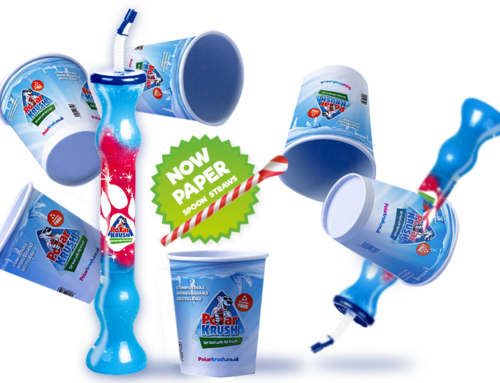
A frozen drinks machine typically takes between 30 minutes and 2 hours to freeze a fresh batch of mix, depending on the machine’s size, the starting temperature of the liquid, and the sugar content of the syrup blend. Most commercial machines from a cold start settle at roughly 60 to 90 minutes. Below, we cover the factors behind freezing time, the role of syrup ratios, ways to speed things up, common faults, and realistic hourly output.
What affects how quickly a slush machine freezes?
Freezing speed depends mainly on four things: the starting temperature of the mix, the size of the bowl, the sugar content of the liquid, and the surrounding room temperature. Warmer ingredients and hotter rooms force the refrigeration system to work harder, which lengthens the time before the drink reaches a proper slush consistency.
Machine design also plays a major role. A single-bowl unit with a small capacity will freeze faster than a triple-bowl commercial machine holding many litres of liquid, because there is simply less volume to chill. Compressor power, the condition of the refrigeration system, and how well the auger or scraper moves the mix all influence how efficiently ice crystals form.
Other practical factors include:
- Ambient temperature: A machine in a hot kitchen or beside a sunny window works harder than one in a cool, ventilated space.
- Airflow around the unit: Blocked vents trap heat and slow the cooling cycle.
- Water quality and mix accuracy: Incorrectly measured ingredients change how the liquid freezes.
- Machine maintenance: Dirty condenser coils reduce cooling efficiency significantly.
Does the syrup ratio change freezing time?
Yes. The syrup ratio directly affects freezing time because sugar lowers the freezing point of water. Too much syrup makes the mix harder to freeze and leaves it soft or runny, while too little produces a hard, icy block that can strain the machine.
Slush works because the right balance of sugar and water allows small ice crystals to form while the rest stays liquid. This balance is usually measured in Brix, a scale that indicates sugar content. Most manufacturers specify a target ratio for each syrup, and sticking to it is the single most reliable way to get consistent freezing times and texture.
If you are mixing by eye or topping up with extra syrup for flavour, the machine may take noticeably longer to reach serving consistency, or may never freeze fully. Sugar-free and naturally sweetened syrups can behave differently from traditional high-sugar mixes, so always check the supplier’s recommended dilution. A simple handheld refractometer lets you check the Brix level in seconds and removes the guesswork.
How can you speed up slush machine freezing?
The fastest way to speed up freezing is to start with pre-chilled mix, measure your ratio accurately, and give the machine good ventilation. These three changes alone can cut freezing time considerably without any extra equipment.
Try these steps in order:
- Pre-chill your ingredients. Mixing syrup with cold water, or refrigerating the batch before pouring, gives the compressor a head start.
- Check your Brix level. Confirm the mix matches the recommended ratio before it goes in the bowl.
- Keep the lid closed. Opening it repeatedly lets warm air in and interrupts the freezing cycle.
- Clear the airflow. Leave the manufacturer’s recommended gap around the machine and keep vents free of dust and obstructions.
- Clean the condenser. Brush or vacuum dust from the coils regularly so heat can escape.
- Switch on early. Start the machine well before opening so it is ready for the first customer.
For venues with predictable peaks, such as cinemas, soft play centres, and holiday parks, turning machines on at least 60 to 90 minutes before the first rush is a simple routine that prevents queues and disappointed customers.
Why is my slush machine not freezing properly?
A slush machine that will not freeze is usually suffering from an incorrect syrup ratio, poor ventilation, a dirty condenser, or a mechanical fault such as a failing auger motor or low refrigerant. Start with the simplest checks before assuming the machine is broken.
Common mix and setup problems
Begin by testing the Brix level. A mix that is too sweet will stay liquid however long you wait, and one that is too weak will freeze solid around the bowl walls. Next, check the room temperature and make sure the machine has adequate clearance. Finally, confirm that the lid is sealed and the bowl is not overfilled, as both can disrupt the cooling cycle.
Mechanical and maintenance causes
If the mix is correct and the setting is good, look at the machine itself. Clogged condenser coils, a worn scraper blade, a weak compressor, or a faulty thermostat can all prevent proper freezing. Unusual noises, ice building up in odd places, or the machine running constantly without producing slush are signs that a service is needed. Machines with remote monitoring can flag many of these issues early, which helps operators fix problems before they affect trading.
How many slush drinks can a machine serve per hour?
A typical commercial slush machine can serve roughly 60 to 150 drinks per hour, depending on bowl capacity, cup size, and how quickly the machine recovers consistency between pours. Larger multi-bowl units and well-maintained machines sit at the higher end of that range.
Output depends on more than bowl size. Each time a drink is dispensed, fresh liquid enters the bowl and the machine must freeze it back to serving consistency. If staff pour continuously during a rush, the slush can thin out, and recovery time becomes the real limit on how many drinks you can serve. A machine running at the correct Brix and in a cool, ventilated space recovers much faster than one that is struggling.
To plan for busy periods, consider:
- Cup size: Smaller cups mean more servings per litre but also more transactions to process.
- Number of bowls: Multiple bowls let you offer several flavours and spread demand across the machine.
- Peak demand timing: Matching switch-on times to your busiest sessions keeps queues short.
- Backup capacity: High-volume venues often benefit from a second machine so one can recover while the other serves.
Frozen coffee drinks follow the same basic principles, so operators adding variety to their menu should apply the same timing and capacity planning. A well-chosen frozen drinks machine, set up correctly and maintained regularly, delivers consistent quality even at peak trading times.
How Polar Krush Group helps with frozen drinks machine freezing times
Polar Krush Group supplies commercial frozen drinks machines, syrups, and support designed to keep your slush at the right consistency and ready when customers arrive. With over 25 years of experience serving venues across the UK, the team can help you get consistent results from day one.
- Free-on-loan machines: Get modern equipment without a large upfront investment.
- Correctly balanced syrups: Naturally sweetened options made in the UK to freeze reliably in commercial machines.
- Remote Kare technology: Remote monitoring helps spot issues early, before they affect service.
- National engineer network: Trained engineers and responsive customer care keep downtime to a minimum.
- Frozen coffee options: Café Frappe lets you add premium café-style drinks to your menu alongside slush.
If your machine is slow to freeze or you are planning to add a frozen drinks offer to your venue, contact Polar Krush Group today to discuss the right setup for your business.
Related Articles
- What should you ask a supplier before getting a frozen drinks machine?
- Why does a frozen drinks machine freeze faster than a freezer?
- What is the difference between slush and frozen drinks machines?
- What is the difference between machine rental and free on loan?
- How much does a frozen drinks machine cost for a business?