Yes, modern frozen drinks machines are reasonably energy efficient, especially when they use well-insulated barrels, thermostatic controls, and low-power standby modes. Running costs stay modest compared with most other commercial catering equipment. Actual consumption in 2026 still depends on machine size, ambient temperature, usage patterns, and how well the unit is maintained.
For venue operators, the real question is less whether a frozen drinks machine is efficient and more how to keep running costs low while serving more drinks. The sections below cover what drives energy use, what you can expect to pay, and the practical steps that make a difference.
What determines how much energy a frozen drinks machine uses?
A frozen drinks machine’s energy use is determined mainly by its refrigeration system, the number and size of its barrels, the surrounding room temperature, and how often it dispenses product. Insulation quality, compressor efficiency, and the product’s sugar content also play a part.
The refrigeration system does most of the work. Each barrel must chill a liquid syrup mix to a semi-frozen state and hold it there, which means the compressor cycles on and off throughout the day. A twin-barrel unit will naturally draw more power than a single-barrel machine, though not double in every case, since components such as the control board and stirring motors are relatively low-draw.
Several other factors shape consumption:
- Ambient temperature: A machine placed in a hot kitchen or near an oven must work harder to maintain its target temperature.
- Airflow: Blocked ventilation grilles force the compressor to run longer.
- Footfall and dispensing frequency: Busy periods trigger more refrigeration cycles as fresh mix enters the barrel.
- Mix quality: The sugar or sweetener content affects freezing behaviour and how hard the compressor needs to work.
How much does it cost to run a slush machine?
Running a slush machine typically costs a modest amount per day, with the exact figure depending on your electricity tariff, the machine’s rated power, and how many hours it operates. As a rule, a single commercial unit uses far less electricity than a fryer, oven, or commercial dishwasher over the same period.
To estimate your own cost, check the machine’s rated power on its data plate, multiply by the hours it runs, and then multiply by your unit rate per kilowatt-hour. Remember that the compressor does not run continuously, so real consumption is usually lower than the rated figure suggests. A quick check with a plug-in energy monitor over a typical week will give you a reliable number for your venue.
Because electricity prices vary by contract and region, it is worth reviewing your business tariff when you add new equipment. For high-footfall venues, the revenue from each serve generally outweighs the electricity needed to produce it, which is why slush drinks remain a popular margin driver in family-friendly environments.
Are slush machines more efficient than other drinks equipment?
Slush machines are generally comparable to, or more efficient than, many other commercial drinks appliances, particularly when compared on cost per serve. They avoid the heavy heating loads of hot beverage equipment and the constant high-capacity cooling of large display fridges.
Here is how they typically compare:
- Hot drinks equipment: Espresso machines and water boilers heat large volumes of water and keep them hot all day, which carries a significant standing load.
- Display fridges: These cool a large air volume and lose cold every time the door opens, so they often run for long stretches.
- Ice machines: These produce and store ice continuously, which is energy intensive.
- Slush machines: These cool a contained, insulated barrel of liquid that is not opened repeatedly, making efficient use of the energy they draw.
Comparisons depend on the specific models involved, so treat these as general patterns rather than fixed rules.
Which features make a frozen drinks machine more energy efficient?
The features that most improve a frozen drinks machine’s efficiency are good barrel insulation, a modern, appropriately sized compressor, accurate thermostatic control, and an energy-saving or standby mode. Together they cut unnecessary compressor cycling and keep product at the right consistency using less power.
Hardware features to look for
Well-insulated barrels hold temperature longer, so the compressor works less often. Efficient condensers and correctly sized compressors avoid the waste that comes from over-specified equipment. Choosing the right number of barrels for your demand also matters, because a machine that is too large for your footfall will chill more product than you sell.
Smart controls and monitoring
Digital thermostats hold consistency more precisely than basic controls, reducing over-freezing. Remote monitoring technology can flag faults early, such as a failing component that forces the compressor to overwork. Polar Krush Group’s Remote Kare technology is an example of this approach, allowing machine performance to be checked without waiting for a breakdown.
How can venues reduce slush machine energy costs?
Venues can reduce slush machine energy costs by positioning machines in cool, well-ventilated spots, using standby settings during quiet periods, matching machine capacity to demand, and keeping syrup ratios correct. These steps lower compressor workload without affecting drink quality.
Practical actions include:
- Choose the right location. Keep the machine away from ovens, radiators, fryers, and direct sunlight.
- Leave space around the unit. Follow the manufacturer’s clearance guidance so air can circulate freely.
- Use standby or night modes. If your machine supports it, reduce activity outside trading hours rather than running full cycles overnight.
- Mix correctly. Follow the recommended ratio, as a mix with the wrong sugar level can cause the machine to over-freeze or struggle to hold consistency.
- Size to demand. A seasonal venue may not need every barrel running year round.
- Review your tariff. Check whether your business electricity contract suits your daytime usage pattern.
Does regular maintenance affect a frozen drinks machine’s efficiency?
Yes, regular maintenance has a direct effect on a frozen drinks machine’s efficiency. Dust-clogged condensers, worn seals, and neglected cleaning routines all force the compressor to work harder, raising electricity use and increasing the risk of breakdown.
The most important routine tasks are keeping the condenser and air vents clear of dust, checking door and lid seals, cleaning barrels and dispensing parts according to the manufacturer’s schedule, and addressing unusual noises or temperature drift early. A machine struggling to hold consistency is often signalling a maintenance issue rather than a need for more cooling.
Scheduled servicing by trained engineers also helps catch problems before they turn into costly repairs. For venues that rely on frozen drinks as a steady revenue stream, preventative care protects both energy efficiency and uptime.
How Polar Krush Group helps with frozen drinks machine efficiency
Polar Krush Group supplies commercial frozen drinks machines and syrups designed to help venues serve quality drinks without unnecessary running costs. With over 25 years of experience, the family-run team supports leisure and entertainment venues across the UK.
- Free-on-loan machine options to reduce upfront equipment costs
- Remote Kare technology for remote monitoring of machine performance
- A national team of trained engineers for servicing and support
- Syrups made at our UK plant, including sugar-free options with no artificial sweeteners
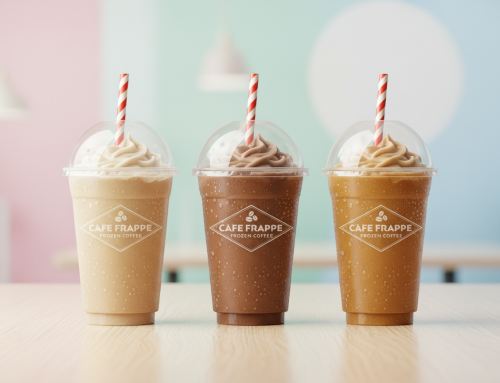
- Frozen coffee through the Café Frappe range, available in Caramel, Latte, and Mocha
Ready to add an efficient, high-margin frozen drinks offering to your venue? Contact Polar Krush Group today to discuss the right machine and supply package for your site.