Most venues are best served by a two- or three-bowl frozen drinks machine. Two bowls suit small to mid-sized sites with steady footfall, while three bowls give busier venues the flavour range and volume to avoid running out at peak times. Single-bowl units only suit very quiet locations or trials.
The right answer depends on how many customers you serve per hour, how many flavours they expect, and how much counter space you have. The sections below work through each factor so you can choose a bowl count with confidence.
How do you match bowl count to venue footfall?
Match bowl count to your busiest hour, not your average day. Low-footfall venues can manage with one or two bowls, mid-sized venues generally need two or three, and high-volume sites such as cinemas or large indoor play centres benefit from three or more to keep queues moving and avoid empty bowls.
Start by estimating how many children and families pass through during your peak period, then consider what share are likely to buy a drink. Weekends, school holidays and birthday party slots create spikes that dwarf a quiet Tuesday afternoon. A machine that copes comfortably on a slow day can run dry at 2pm on a Saturday, and a sold-out slush is a lost sale.
A useful rule of thumb is to plan around your worst trading day rather than the typical one. Frozen drinks need time to freeze and recover after heavy dispensing, so a machine pushed beyond its capacity delivers thinner, slushier product that customers notice. More bowls spread the load, giving each one time to recover.
Is a two-bowl or three-bowl machine better?
A three-bowl frozen drinks machine is better for venues that want maximum choice and capacity, while a two-bowl machine is better where space, budget or footfall is limited. If you can fit and justify the third bowl, it typically earns its place through wider appeal and extra capacity.
The comparison comes down to a few clear points:
- Two-bowl machines: a smaller footprint, lower running volume, and enough variety for most family venues. Ideal for soft play centres, small cafés and sites with moderate footfall.
- Three-bowl machines: greater flavour choice, more total serving capacity, and a stronger visual presence on the counter. Better for cinemas, holiday parks and busy entertainment venues.
Consider whether you want to dedicate a bowl to a different product type, such as a frozen coffee or a carbonated option, alongside standard slush. A third bowl makes that kind of range expansion far easier without sacrificing your core flavours.
How many flavours do customers actually want?
Most customers are happy with two to three well-chosen flavours, provided they include a popular fruit option such as cherry or blue raspberry. Offering too many flavours rarely increases sales, but offering only one can send customers elsewhere, so bowl count should reflect realistic demand rather than a long wish list.
Children tend to gravitate towards bright, familiar flavours, and families often want to pick something different for each child. A varied trio, for example one red, one blue and one more unusual option, covers most preferences. Remember that you can also mix flavours at the point of serving on many machines, which stretches a small bowl count further.
It is also worth thinking about dietary and parental preferences. Sugar-free and naturally sweetened options appeal to parents who are conscious of what their children drink, and having one such bowl can widen your audience without adding clutter to the menu.
How much can each slush machine bowl serve?
Bowl capacity varies by model, but commercial slush machine bowls typically hold somewhere between 10 and 15 litres, which translates to many dozens of serves before a refill is needed. Always check the specification of your chosen machine, as capacity and recovery rate differ between manufacturers.
Real-world output depends on cup size, what ice-to-liquid ratio your product achieves, and how quickly the machine can refreeze between customers. A bowl that holds plenty on paper still needs recovery time during a rush. This is why total serving capacity matters more than any single bowl figure: two or three bowls working in parallel give you a buffer that one large bowl cannot.
Plan your refilling routine around quiet periods. Topping up bowls before a known rush, such as the start of a school holiday day or an evening film screening, keeps the product at the right consistency when demand peaks.
How much space and power does a multi-bowl machine need?
A multi-bowl frozen drinks machine needs a stable, level counter or floor position, ventilation space around the unit, and a dedicated electrical supply. Three-bowl models are wider than two-bowl units, so measure your available space carefully, including clearance for airflow and for staff to access bowls for cleaning.
Ventilation is easy to overlook. Refrigeration systems release heat, and cramming a machine into a tight alcove can reduce performance and shorten its working life. Leave the manufacturer’s recommended gap on all vented sides.
On power, confirm the electrical requirements of the specific model before delivery. Check that your socket location, circuit capacity and any extension arrangements are suitable, as refrigerated equipment should not share an overloaded supply. Also consider proximity to a water source for cleaning and a convenient spot for storing syrup and cups so staff are not walking far during busy periods.
Can you start small and add bowls later?
Yes, you can start with a smaller machine and add capacity later, but you will usually do this by adding a second machine rather than expanding the original. Starting with a two-bowl unit and adding another machine as demand grows is a low-risk way to test the market.
The practical approach is to trial a modest setup, track your sales across a few peak weekends, and watch for warning signs such as sold-out flavours or queues at the machine. If you regularly run out, that is clear evidence you have outgrown your setup.
Before committing, ask your supplier whether they offer flexible arrangements, such as machines provided on loan, which reduce the upfront cost and make scaling up far less risky. Leave room on your counter or in your layout so a second unit can be added without a major reshuffle.
How Polar Krush Group helps with choosing a frozen drinks machine
Polar Krush Group supplies commercial frozen drinks machines and syrups to leisure and entertainment venues across the UK, with the support to help you choose the right bowl count from the start. Our team can work through your footfall, space and flavour needs with you.
- Free-on-loan machine options to reduce upfront investment
- Single and multi-bowl machines suited to venues of every size
- Sugar-free and naturally sweetened syrups with no artificial sweeteners
- Remote Kare technology and a national team of trained engineers for reliable support
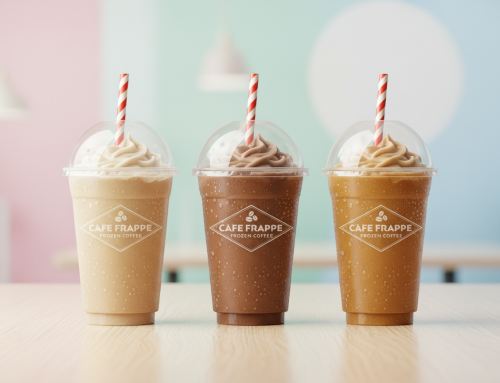
- Café Frappe frozen coffee as a premium addition to your drinks range
Ready to find the right setup for your venue? Get in touch with Polar Krush Group today and let our team recommend the ideal frozen drinks machine for your footfall and space.