A frozen drinks machine is a commercial appliance that chills a liquid mix inside a refrigerated cylinder while a rotating auger keeps it moving, producing a smooth, spoonable slush served on demand. It turns a syrup and water blend into a consistent frozen drink without ice being added by hand.
For venue operators, understanding how a frozen drinks machine works helps with choosing the right model, controlling costs and keeping drinks consistent through busy trading periods. The sections below answer the most common questions in plain terms.
What happens inside the freezing cylinder?
Inside the freezing cylinder, a liquid syrup and water mix is chilled against the cylinder wall while a rotating auger scrapes the forming ice crystals away. This constant motion stops the mix freezing solid and creates a fine, even slush that is ready to dispense whenever a customer wants a drink.
The process relies on three working parts: the refrigeration system, the cylinder and the auger. The refrigeration system cools the cylinder walls to just below the freezing point of the mix. Because the liquid contains sugar or other dissolved solids, it freezes at a lower temperature than plain water, which is what allows it to form a soft slush rather than a block of ice.
As the mix touches the cold wall, tiny ice crystals form. The auger continually scrapes them off and folds them back into the liquid. This keeps crystals small, which gives the drink a smooth texture. A sensor, often linked to the motor, detects when the mix has reached the right thickness and adjusts cooling to hold it there. When a customer draws a drink, fresh mix flows in from the hopper above and the cycle continues.
Why does the syrup-to-water ratio matter?
The syrup-to-water ratio matters because it controls how the drink freezes, tastes and looks. Too little syrup and the mix freezes into hard ice that can strain the machine. Too much and it stays too liquid to hold a slush texture. Getting the balance right protects both quality and equipment.
Sugar and other dissolved ingredients lower the freezing point of the mix, so the ratio directly sets the texture. Operators typically measure it with a refractometer, which reads the sugar concentration, usually expressed in degrees Brix. Following the manufacturer’s recommended range for your syrup is the most reliable approach, since different syrups are formulated for different dilutions.
A few practical points help keep results consistent:
- Measure syrup and water rather than estimating by eye.
- Re-check the ratio when you top up the hopper, as small errors add up.
- Use the same water source where possible, as heavily treated or very hard water can affect results.
- Note that sugar-free and low-sugar formulations can behave differently, so always follow the guidance for that specific product.
What’s the difference between slush, granita and carbonated frozen machines?
The key difference is how the mix is prepared and served. Slush machines produce a fine, uniform frozen drink from a still mix. Granita machines make a coarser, more textured product, often in a rotating bowl. Carbonated frozen machines add CO2 to create a fizzy, frozen drink with a distinctive sparkle.
Slush machines
Slush machines use one or more cylinders or bowls and serve a smooth frozen drink, usually flavoured with fruit or cola syrups. They suit venues that want multiple flavours on display and a visually striking offer for families.
Granita machines
Granita machines are typically built around a transparent bowl with a slow-turning paddle. The result tends to be a more crystalline, textured drink, and it is commonly used for lighter, dessert-style serves.
Carbonated frozen machines
Carbonated frozen beverage (FCB) machines mix the syrup with carbonated water under pressure before freezing. The finished drink is fizzier and has a different mouthfeel from a standard slush, which many customers see as a premium experience. These machines need a CO2 supply, so installation and ongoing gas supply are worth planning in advance.
What size and type of machine suits a busy venue?
A busy venue needs a machine sized to its peak demand, not its average day. Multi-bowl or multi-cylinder units with larger capacity handle queues at weekends and school holidays, while a small single-bowl model suits a quieter site. Matching capacity to peak trading prevents running out of product when sales matter most.
When choosing a frozen drinks machine, consider these factors:
- Bowl or cylinder capacity: Larger volumes recover faster and cope better with back-to-back orders.
- Number of flavours: Two to four bowls let you offer variety, which helps drive repeat purchases.
- Recovery time: This is how quickly the machine re-freezes the mix after heavy dispensing, and it matters most during rushes.
- Footprint and placement: Allow space for ventilation around the unit, access to power and water, and a position that customers can see.
- Service and support: Remote monitoring and responsive engineers reduce downtime, which is costly on a busy day.
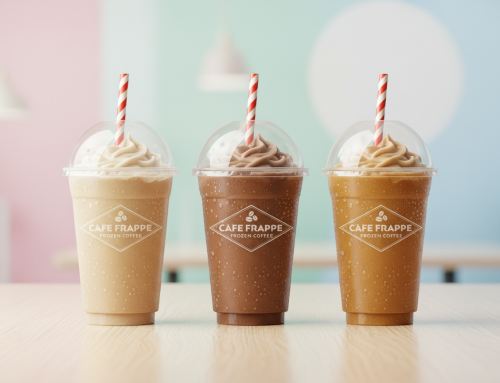
If you also want to offer a frozen coffee alongside slush, dedicated machines exist for that purpose too, so it is worth deciding early whether your menu will include both.
How much does it cost to run a frozen drinks machine?
Running costs come from four main sources: syrup, electricity, water and servicing. Syrup is usually the largest ongoing cost, but a single serving of slush costs relatively little to make compared with its selling price. Exact figures vary by machine, syrup and local energy rates, so it is best to calculate cost per serve for your own site.
To work out your own numbers, follow these steps:
- Divide the cost of a syrup container by the number of servings it yields at your dilution ratio.
- Add a share of electricity, based on the machine’s rated power and how many hours it runs.
- Include cups, lids and straws, which are easy to overlook.
- Allow for cleaning supplies and routine maintenance.
Many suppliers offer machines on loan when you commit to buying their syrup, which can remove the upfront purchase cost. Energy use is influenced by the ambient temperature of the room, how often the machine is opened and whether it is kept clean, since a dirty or blocked machine works harder to hold temperature.
How do you clean and maintain a slush machine?
You clean a slush machine by emptying the mix, rinsing the bowl, washing removable parts with a food-safe sanitiser and reassembling before refilling. Daily wipe-downs and regular full cleans keep drinks safe and tasting fresh, and consistent upkeep helps the machine run reliably for longer.
A typical cleaning routine looks like this:
- Switch the machine to its clean or defrost mode and drain the remaining mix.
- Remove the dispensing nozzles, lids and any detachable parts.
- Wash these in warm water with a food-safe cleaning solution, then rinse thoroughly.
- Run sanitiser through the bowl, following the product instructions for contact time.
- Rinse again, reassemble, refill with fresh mix and allow the machine to freeze down.
Beyond the clean itself, wipe down exterior surfaces and drip trays daily and keep ventilation grilles free of dust. Check seals and O-rings regularly, as worn parts can leak or let air in. Always follow the manufacturer’s instructions for your specific model and the cleaning frequency recommended for the mix you use. If your machine is supported by an engineering service, schedule routine inspections rather than waiting for a fault.
How Polar Krush Group helps with frozen drinks machines
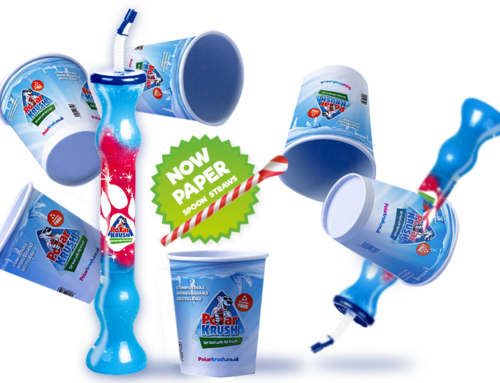
Choosing and running a frozen drinks machine is much easier with a supplier that covers equipment, product and support in one place. Polar Krush Group is a UK-based, family-run business with over 25 years of experience supplying venues such as trampoline parks, cinemas, holiday parks and indoor entertainment centres.
- Free-on-loan machines to remove the upfront equipment cost
- In-house syrups made at their UK plant, including naturally sweetened and sugar-free options
- Slush and carbonated frozen machines to suit different venue sizes
- Remote Kare technology and a national team of trained engineers for dependable support
- Café Frappe frozen coffee for venues wanting a premium café-style addition
If you are planning a frozen drinks offer for your venue, get in touch with Polar Krush Group to discuss the right machine and syrup range for your site.