A single bowl machine dispenses one flavour from one frozen drinks machine bowl, while a twin bowl machine holds two separate bowls and serves two flavours at once from the same unit. The core difference is flavour choice and capacity. Single bowls suit simple, lower-volume offers, and twin bowls suit busier venues wanting variety.
Picking the right format affects queue times, customer spend and how much counter space the machine takes. The sections below answer the most common questions operators ask before they buy or lease.
How much slush can each machine type serve?
A twin bowl machine serves roughly double the total volume of a single bowl machine because it holds two bowls of frozen product that freeze and dispense independently. A single bowl holds one batch of one flavour, so output depends entirely on how quickly that single bowl can be refilled and refrozen.
Capacity varies by model and manufacturer, so always check the bowl size in litres on the specification sheet rather than assuming. Two points matter more than headline capacity:
- Peak demand: A single bowl can run low during a rush, leaving customers waiting while the mix refreezes.
- Recovery time: After heavy dispensing, each bowl needs time to return to the right consistency. With two bowls, one can recover while the other keeps serving.
If your venue sees sharp spikes, such as school holiday afternoons or cinema interval rushes, total serving capacity will matter more than average daily sales.
Are twin bowl machines better for offering more flavours?
Yes. A twin bowl machine lets you serve two flavours simultaneously, which gives customers a genuine choice at the point of sale. A single bowl machine offers one flavour at a time, so changing flavour means emptying, cleaning and refilling the bowl.
Choice has a practical sales effect. Families with more than one child rarely agree on a single flavour, and offering two options reduces the chance of a lost sale. Some operators also pair a fruit flavour with a contrasting one, such as a sharp raspberry alongside a sweeter cola or tropical option, to cover different tastes.
Twin bowls also support a split between product types. For example, a venue might run a classic flavour in one bowl and a seasonal or sugar-free option in the other. A single bowl machine can still work well if your flavour is a strong seller, but it limits what you can test or rotate.
Which venues suit a single bowl machine?
Single bowl machines suit venues with modest footfall, limited space or a simple drinks offer. They work well where slush is an add-on rather than a main attraction, and where one popular flavour is enough to satisfy most customers.
Typical examples include:
- Small soft play centres with steady but not extreme footfall
- Village halls, sports clubs and community venues
- Small cafés or kiosks trialling frozen drinks for the first time
- Seasonal or pop-up outlets with short trading periods
A single bowl is also a sensible low-commitment way to test demand. If sales are strong and customers start asking for alternatives, you have clear evidence to support an upgrade.
When should a venue upgrade to a twin bowl machine?
A venue should upgrade when a single bowl machine regularly runs short at peak times, when customers ask for more flavours, or when slush sales are growing consistently. Those signs show demand has outgrown one bowl.
Watch for these practical triggers:
- Queues or empty bowls: Staff are waiting for the machine to recover during busy periods.
- Repeated flavour requests: Customers keep asking for something your current flavour does not cover.
- Frequent flavour swaps: Staff are changing flavours to meet demand, adding labour and waste.
- Growing footfall: New attractions, party bookings or longer opening hours increase the number of children and families on site.
If two or more of these apply, the added capacity and variety of a twin bowl machine will likely pay back through higher secondary spend.
How do running costs and space compare?
A twin bowl machine uses more power and counter space than a single bowl, but it typically costs less per litre served than running two separate machines. A single bowl has the smallest footprint and lowest energy draw, making it the leaner choice for tight spaces.
Consider these points when comparing:
- Footprint: Twin bowl units are wider, so measure your counter and check there is enough ventilation clearance around the machine.
- Energy use: Two bowls generally draw more electricity, though one twin unit is usually more efficient than two single machines.
- Cleaning and maintenance: Two bowls mean more parts to clean and check, but one service visit covers the whole unit.
- Waste: Offering two flavours can reduce lost sales, though slower-selling flavours should be monitored to avoid unused product.
Total cost of ownership matters more than purchase price alone. Factor in syrup consumption, electricity, cleaning time and servicing when comparing options.
What should be checked before choosing a slush machine?
Before choosing a frozen drinks machine, check your expected daily volume, available space, power supply, flavour plans, and the level of after-sales support on offer. These factors determine whether a single or twin bowl model will perform reliably in your venue.
Work through this checklist:
- Estimate demand: Consider footfall, peak periods and how many customers are likely to buy.
- Measure the space: Include ventilation gaps, access for cleaning and nearby power sockets.
- Plan your flavour range: Decide whether one flavour is enough, or whether two will boost choice and spend.
- Ask about supply and servicing: Reliable syrup supply and fast engineer support protect you from downtime.
- Review the terms: Compare buying, leasing and free-on-loan arrangements before committing.
- Check ingredients: If you serve children, look at sugar content, sweeteners and colourings.
Speaking to a specialist supplier before you decide can save you from costly mistakes, particularly if you are unsure how much capacity your venue needs.
How Polar Krush Group helps with choosing a frozen drinks machine
Polar Krush Group helps leisure and entertainment venues choose, install and run the right slush machine for their footfall, space and budget. With over 25 years of experience, the family-run UK business supplies both machines and the syrups that go in them.
Here is how the team supports operators:
- Free-on-loan machines: Get started without a large upfront equipment cost.
- Single and twin bowl options: Choose the format that matches your venue size and demand.
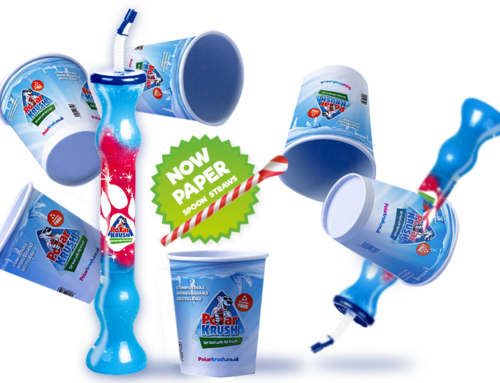
- In-house syrups: Polar Krush is sweetened naturally with Stevia, with natural colours and flavours, and sugar-free options contain no artificial sweeteners.
- Remote Kare technology and national engineers: Remote monitoring and trained engineers keep your machine running.
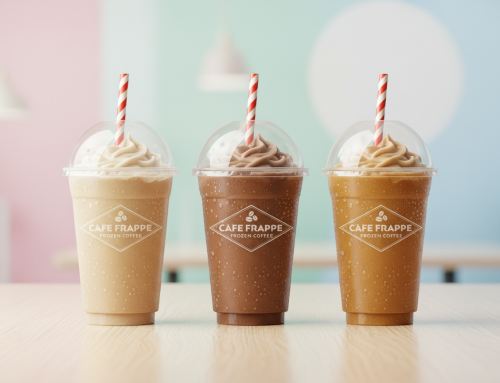
- Café Frappe frozen coffee: Add a premium frozen coffee range in Caramel, Latte and Mocha to appeal to adult customers.
If you are weighing up a single or twin bowl machine for your venue, get in touch with Polar Krush Group today for friendly, expert advice and a recommendation tailored to your site.