The right frozen drinks machine for a shop matches your available counter space, expected daily volume and drink style, while coming with a supply and support arrangement you can rely on. Get those four factors right and the machine pays for itself through impulse sales rather than gathering dust.
Most shops make the decision on price alone, which is where problems start. The questions below cover the practical points a retailer should check before committing to a frozen drinks machine.
How much counter space does a frozen drinks machine need?
Most single-bowl frozen drinks machines need roughly 30 to 40 cm of width, while triple-bowl models can need 90 cm or more. Allow extra room for ventilation, a power socket within reach and clear working space around the dispensing area.
Beyond the footprint, check the height. Machines with a tall hopper or branded canopy can clash with wall shelving or serving hatches. Heat output matters too: frozen drinks machines work by expelling warm air, so pushing one into a tight corner reduces performance and can shorten its lifespan. Leave the manufacturer’s recommended gap around the vents.
If counter space is genuinely scarce, consider a floor-standing position near the till or a compact single-bowl unit. Position it where customers will see it as they queue, because visibility drives impulse purchases.
How many bowls and what capacity does a shop need?
Most small shops do well with one or two bowls, while busy convenience stores or venues with strong summer footfall benefit from three. Choose bowl count by the number of flavours you want to sell, and bowl capacity by how many drinks you expect to serve at peak times.
A practical way to size your machine:
- One bowl: suits low footfall or a trial period, with a single signature flavour.
- Two bowls: offers variety, such as one fruit flavour and one alternative, without taking over the counter.
- Three bowls: suits high-traffic sites that want to cater to different tastes and avoid running out during rushes.
Remember that a frozen drink needs time to freeze again after heavy dispensing. A machine that looks big enough on paper can still struggle if you serve a queue of customers in quick succession. If your peak period is a short, intense after-school rush, larger bowls will help more than extra flavours.
What’s the difference between slush and carbonated frozen machines?
A slush machine produces a smooth, non-fizzy iced drink by churning syrup and water, while a carbonated frozen machine (often called an FCB machine) adds CO2 to create a fizzy, textured frozen drink. The choice affects taste, texture, cost and machine complexity.
Slush machines
Slush machines are simpler and usually cheaper to run. They work well for family-friendly sites and are easy for staff to operate with minimal training. The drink is sweet, smooth and consistent, making it a dependable choice for most shops.
Carbonated frozen machines
Carbonated machines produce a fizzy, cola-style frozen drink with a more adult, premium feel. They need a CO2 supply, which adds a small ongoing cost and an extra item to manage, but they give you a point of difference that few local competitors will offer.
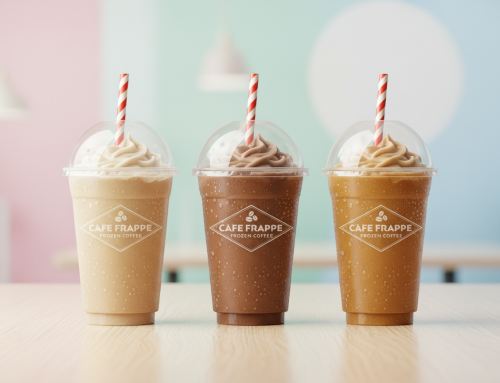
If you want to go beyond slush altogether, frozen coffee machines are another category worth considering. Flavours like caramel, latte and mocha appeal to a different customer, particularly commuters and adult shoppers, and can complement a slush offer rather than compete with it.
Is it cheaper to buy, lease or loan a machine?
Buying costs the most upfront but leaves you owning the asset, leasing spreads the cost into monthly payments, and a free-on-loan arrangement removes the upfront cost entirely in exchange for buying your syrup from the supplier. The cheapest option depends on your cash flow and expected volume.
Weigh up each route against these points:
- Buying: best for shops with strong capital and high, predictable sales. You carry the repair and replacement risk yourself.
- Leasing: keeps cash free but commits you to a fixed term, so read the small print on servicing and early exit.
- Free-on-loan: lowest barrier to entry and ideal for testing demand. The trade-off is that you are tied to a supplier’s syrup, so check pricing and contract length carefully.
For a first-time shop owner, a loan arrangement lets you test whether frozen drinks sell before putting significant money on the line. Always ask who pays for repairs, parts and engineer call-outs under each option.
What should a shop look for in a machine supplier?
Look for a supplier with a reliable syrup supply, fast engineer support, clear training and transparent pricing. The machine is only as good as the support behind it, because downtime during a hot weekend costs far more than any saving on the initial price.
Use this checklist when comparing suppliers:
- How quickly can they respond to a breakdown, and do they offer remote monitoring?
- Do they manufacture their own syrups, or rely on third parties that could affect supply?
- Is staff training included, and is it easy to access?
- Are syrup ingredients suited to your customers, for example sugar-free options or products without artificial sweeteners?
- What are the delivery times and minimum order quantities?
- Do they provide point-of-sale and marketing materials to help you promote the drinks?
A UK-based supplier with its own production facility and a national engineer network generally offers more dependable service than a reseller with no direct control over supply.
How much maintenance does a frozen drinks machine need?
A frozen drinks machine needs a quick daily clean of the dispensing area and drip tray, a more thorough weekly clean of the bowls and parts, and an occasional professional service. Consistent routine care keeps the drinks tasting right and prevents most breakdowns.
A simple routine looks like this:
- Daily: wipe the nozzles, empty and rinse the drip tray, check syrup levels and top up as needed.
- Weekly: clean the bowls, auger and seals according to the manufacturer’s guidance, and check that the mix ratio is still correct.
- Periodically: arrange an engineer check to inspect seals, refrigeration and electrical components.
Getting the syrup-to-water ratio right matters more than many owners realise. A mix that is too thin will not freeze properly, while one that is too sweet can cause the machine to struggle. Train every member of staff on the basic routine so cleaning never depends on a single person.
How Polar Krush Group helps with choosing a frozen drinks machine
Polar Krush Group helps shops find a machine that fits their space, volume and budget, and supports them long after installation. With over 25 years of experience and its own UK syrup plant, the company takes the guesswork out of getting started.
- Free-on-loan machine options, so you can start without a large upfront investment
- Slush, carbonated frozen and Café Frappe frozen coffee ranges, including sugar-free choices
- Remote Kare technology and a national team of trained engineers for fast support
- Full training, reliable UK distribution and marketing support to help drive impulse sales
If you are ready to add a frozen drinks machine to your shop, contact Polar Krush Group today to discuss the right setup for your counter and customers.
Related Articles
- How do you keep a frozen drinks machine running at busy events?
- Why does a frozen drinks machine freeze faster than a freezer?
- Should you rent or borrow a frozen drinks machine in 2026?
- How much profit can a frozen drinks machine make per cup?
- What is the difference between slush and frozen drinks machines?