A frozen drinks machine can typically make a gross profit of roughly 70% to 85% per cup, because the syrup and cup cost only a small fraction of the selling price. On a cup that sells for £3.00, ingredient and packaging costs often sit well under £0.70, leaving a healthy margin per serve.
Exact profit depends on your syrup price, cup size, pricing and sales volume. The sections below break down the maths so you can build a realistic forecast for your own venue.
What does a single cup of slush actually cost to make?
A single cup of slush costs the sum of syrup, water, the cup, lid and straw, plus a small share of electricity. For most venues, this lands at a few tens of pence per serve, which is why a frozen drinks machine delivers such strong margins.
To calculate your own figure, work through each component:
- Syrup: Slush syrup is diluted with water, usually at a ratio of around 1 part syrup to 4 or 5 parts water, so one bottle produces many cups. Divide the bottle price by the number of cups it yields.
- Packaging: Add the cost of the cup, dome lid and straw or spoon-straw.
- Energy: Running costs vary by machine and usage, but per cup the electricity share is usually minimal.
- Waste: Allow a small buffer for spillage, overfills and staff samples.
Always check the dilution ratio and yield specified for your chosen product, as these vary between brands and formulations. Add the figures together and you have your true cost per cup.
What selling price gives a healthy slush profit margin?
A selling price of around three to five times your cost per cup gives a healthy slush profit margin. In practice, most UK venues price regular cups between £2.50 and £4.00, with larger sizes and premium options priced higher, while staying within what families will comfortably pay.
Gross margin is calculated as (selling price minus cost per cup) divided by selling price. A cup costing £0.60 to make and selling for £3.00 earns £2.40 gross profit, which is an 80% margin.
When setting prices, consider these points:
- Local spending habits: Soft play centres and cinemas can usually sustain higher prices than a village sports club.
- Size tiers: Offering small, medium and large cups encourages trading up, and the larger cup often carries the best margin in pounds.
- Price anchoring: Place slush beside bottled drinks and confectionery so the value of a cold, fun treat feels clear.
- Round numbers: Prices ending in 0 or 50 speed up transactions at busy counters.
How many cups must be sold to cover the machine?
The number of cups needed to cover a machine equals the machine cost divided by your profit per cup. At £2.40 profit per cup, a £2,400 machine breaks even after 1,000 cups. Many venues avoid this upfront cost entirely through free-on-loan arrangements.
Here is a simple way to model it:
- Work out your profit per cup (selling price minus cost per cup).
- Add the machine purchase price, or any monthly rental or service fee.
- Divide the total by your profit per cup to find the break-even cup count.
- Divide that figure by your average daily sales to see how many days it will take.
If you sell 40 cups a day at £2.40 profit, that is £96 daily gross profit, so a £2,400 machine pays for itself in roughly 25 trading days. Seasonal trade, school holidays and weekend footfall will move this timeline, so use realistic averages rather than peak-day sales.
Which factors increase or reduce profit per cup?
Profit per cup rises with higher selling prices, accurate portioning, low waste and efficient dilution. It falls with overfilled cups, poor machine maintenance, discounting and downtime. Small habits at the counter often matter more than the headline syrup price.
Factors that increase profit
- Consistent portion control: Filling to the same line every time protects your margin across thousands of cups.
- Correct syrup mix: Using the recommended ratio keeps flavour strong without wasting syrup.
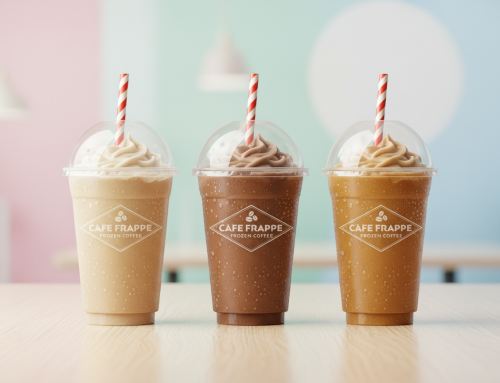
- Premium options: Sugar-free, flavour-swirl or frozen coffee drinks can command a higher price. A frozen coffee machine range, for instance, taps into café-style spending rather than just children’s treats.
- Bulk purchasing: Buying syrup in larger volumes usually lowers the cost per serve.
Factors that reduce profit
- Machine downtime: A broken or poorly maintained machine means lost sales while overheads continue.
- Heavy discounting: Frequent offers can erode margin faster than they add volume.
- Waste and spillage: Untrained staff and rushed service increase losses.
- Incorrect temperature or mix: Slush that is too thin or too hard disappoints customers and reduces repeat purchases.
How can venues sell more slush per visitor?
Venues sell more slush per visitor by placing the machine in a high-traffic, highly visible spot, bundling it with entry tickets or party packages, and encouraging size upgrades. Visibility and convenience drive impulse purchases more than any other single factor.
Practical tactics that work in family venues include:
- Visible placement: Position the machine near the entrance, queue or seating area where colourful displays catch attention.
- Party and bundle deals: Include slush cups in birthday packages or add a drink to a family ticket to lift attach rates.
- Clear menus and signage: Show sizes and flavours clearly so customers can decide quickly.
- Refill or souvenir cups: Reusable cups encourage repeat purchases and support sustainability goals.
- Staff prompts: A simple “Would you like a slush with that?” at the till converts more sales than passive displays.
- Seasonal flavours: Rotating limited-edition options gives regulars a reason to buy again.
Because slush is a treat that children actively ask for, it can also extend dwell time, which supports secondary spend elsewhere in your venue.
How Polar Krush Group helps with frozen drinks machine profits
Polar Krush Group supplies UK venues with frozen drinks machines, syrups and ongoing support designed to protect your margin per cup. With over 25 years of experience serving soft play centres, cinemas, holiday parks and entertainment venues, the team helps you launch quickly and keep machines trading.
- Free-on-loan machines: Reduce or remove the upfront machine cost so you reach profit faster.
- Quality syrups made in the UK: Including Stevia-sweetened and sugar-free options with no artificial sweeteners.
- Remote Kare technology: Remote monitoring helps minimise downtime and lost sales.
- Café Frappe frozen coffee: Add Caramel, Latte or Mocha frozen coffee to appeal to adults and lift average spend.
- Nationwide engineer network and training: Practical support so staff serve consistently and waste stays low.
Ready to see what a frozen drinks machine could earn in your venue? Contact Polar Krush Group today for a no-obligation chat about machines, syrup pricing and the best setup for your site.
Related Articles
- What is fast freeze technology in a frozen drinks machine?
- How do you pick between a slush machine and a granita machine?
- Are frozen drinks machines energy efficient in 2026?
- What are the benefits of a frozen drinks machine for cafes?
- What should you ask a supplier before getting a frozen drinks machine?