Pick a slush machine if you want fast, sweet, fun drinks that suit children and high footfall, and pick a granita machine if you want a softer, more premium, often fruit-led or dessert-style product. For most family-focused leisure venues, a slush-style frozen drinks machine wins on speed, flavour range and ease of service. The right choice depends on your customers, your volume and your support options.
The sections below answer the questions operators ask most when comparing the two.
Do slush and granita machines work differently?
Slush and granita machines both keep a liquid mix cold while a rotating auger or paddle stops it freezing solid, but the details differ. Slush machines typically use a sugar-balanced syrup mix and aim for a fine, uniform ice crystal. Granita machines are usually built to produce a coarser, more textured result.
In practice, many commercial units look similar from the outside: a bowl or tank, a refrigeration system and a dispensing tap. The differences come from how the machine is tuned and what goes into it.
- Freezing control: Slush machines hold the product at a consistent semi-frozen point, so every pour looks and feels the same.
- Mix type: Slush relies on a syrup diluted with water to a set sugar level, which is what allows the drink to stay slushy rather than freeze into a block.
- Stirring action: Granita machines tend to move the product more gently, helping larger crystals form.
Before buying, check what the machine is designed to freeze, because a unit built for one mix can struggle with another.
What is the difference in texture and flavour?
Slush has a smooth, fine, drinkable texture and a bold, sweet flavour profile, while granita is coarser, icier and often more natural or fruit-forward in taste. Slush is designed to be sipped through a straw. Granita is often eaten with a spoon or enjoyed as a refreshing dessert.
Slush texture and taste
Slush crystals are small and consistent, which gives a drink that flows up a straw and stays blended to the bottom of the cup. Flavours tend to be vivid and playful, such as blue raspberry, cherry and cola, which is exactly what children respond to in a family venue.
Granita texture and taste
Granita traditionally has larger, more distinct ice crystals and a lighter, less sugary finish. It often leans towards lemon, coffee or fresh fruit and suits cafés, restaurants and adult-oriented outlets better than a noisy play centre.
If your audience is mostly under 12, the smoother slush style usually gets the better reaction.
Which machine costs less to run?
Running costs depend far more on machine size, usage and supplier terms than on the label “slush” or “granita”. Both draw electricity to refrigerate the bowl, and both use ingredients that cost a fraction of the selling price. Look at cost per serve, energy use and whether the machine is bought or loaned.
Consider these factors when comparing:
- Cost per serve: Concentrated syrup diluted with water gives a very low ingredient cost per cup, so check the dilution ratio and yield per litre.
- Energy consumption: Larger multi-bowl machines use more power but dispense more drinks per hour, which often lowers the energy cost per serve.
- Upfront cost: Buying outright ties up capital, whereas free-on-loan arrangements spread that cost into your syrup supply agreement.
- Waste: Consistent texture means fewer rejected or melted drinks.
The cheapest machine on paper is not always the cheapest to run, so ask for a full cost-per-cup breakdown.
Which is better for a busy leisure venue?
A slush-style machine is usually better for a busy leisure venue because it dispenses quickly, keeps a consistent texture under heavy demand and appeals to families. Granita can work well in a quieter café corner, but it is less common in high-volume, child-heavy environments such as soft play centres, cinemas and trampoline parks.
For a leisure operator, the decision comes down to a few practical questions:
- How many drinks will you serve at peak? Choose a machine with enough bowl capacity and recovery speed to keep up with queues.
- Who is buying? Children and parents favour sweet, colourful, easy-to-drink options.
- How much space do you have? Multi-bowl units give flavour choice but need counter room and power access.
- Do you want to add a second product? A premium frozen coffee offer can complement slush for adult customers and parents.
Offering a visually striking machine near the till also encourages impulse purchases and can lift secondary spend and dwell time.
How much maintenance does each machine need?
Both machine types need regular cleaning, sanitising and occasional servicing, and neither is maintenance-free. Daily wipe-downs, scheduled deep cleans and routine checks on seals, augers and refrigeration keep drinks safe and consistent. What changes the burden is machine quality, water hardness and the support your supplier provides.
Typical maintenance tasks include:
- Daily: Wipe taps and drip trays, check product levels and confirm the drink is holding its texture.
- Periodically: Drain, clean and sanitise the bowls according to the manufacturer’s guidance and your food safety plan.
- Routinely: Inspect seals and moving parts, and keep ventilation clear around the condenser.
Remote monitoring technology can flag faults early, which reduces downtime during busy weekends and school holidays. Ask who handles repairs, how quickly an engineer can attend and whether training is included for your staff.
What should you ask a supplier before buying?
Ask any frozen drinks machine supplier about total cost, machine terms, ingredient quality, engineer support and flexibility before you commit. The answers reveal whether you are buying a one-off product or entering a reliable long-term partnership that protects your drinks revenue.
Use this checklist:
- Is the machine bought, leased or free on loan? Understand what you pay for and what you are tied into.
- What is the cost per serve? Request the dilution ratio and expected yield.
- What ingredients are used? Check for natural colours and flavours, sweetener type and sugar-free options.
- What support is included? Look for training, engineer cover and remote monitoring.
- How quickly can you restock? Reliable UK delivery matters during peak seasons.
- Can you add flavours or products later? A flexible range lets you adapt to customer demand.
- What are the contract terms? Clarify length, minimum orders and exit conditions.
A supplier who answers these clearly and in writing is far more likely to deliver a smooth experience.
How Polar Krush Group helps with choosing a frozen drinks machine
Polar Krush Group is a family-run UK beverage company with over 25 years of experience supplying frozen drinks machines and syrups to leisure and entertainment venues. We help operators choose the right setup for their audience, footfall and space, then support it with dependable supply and service.
- Free-on-loan machines: Reduce upfront investment with machines supplied alongside your syrup agreement.
- Quality syrups: Made at our UK plant, including Stevia-sweetened Polar Krush with natural colours and flavours, and sugar-free options with no artificial sweeteners.
- Remote Kare technology: Remote monitoring and a national team of trained engineers keep machines running.
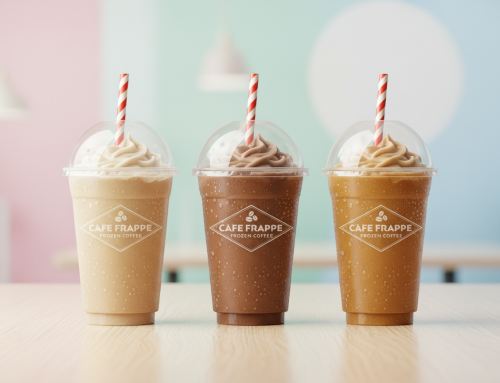
- Wider range: Choose from Polar Krush, Polar Burst carbonated frozen drinks, StarSlush and Café Frappe frozen coffee in Caramel, Latte and Mocha.
- Full support: Training, UK-wide distribution and ongoing stock supply.
Ready to find the right frozen drinks machine for your venue? Contact Polar Krush Group today for friendly advice and a no-obligation conversation about your options.