A small business usually needs a one or two bowl frozen drinks machine that holds roughly 10 to 15 litres per bowl and fits a standard counter. This size comfortably covers a small café, kiosk or play centre serving a few dozen drinks an hour, while leaving room to add flavours as demand grows.
The right choice depends on your peak footfall, the number of flavours you want to offer and the counter space you have available. The sections below answer the most common questions small operators ask when choosing a frozen drinks machine in 2026.
How many servings per hour can a slush machine handle?
A typical commercial slush machine can serve dozens of drinks per hour per bowl once the product is at serving temperature, and most small business models comfortably cover peak trade without a queue. Output depends on bowl capacity, how fast the machine refreezes between pours and how many drinks are poured back to back.
Most machines are rated by bowl volume rather than a fixed servings figure. A 12 litre bowl, for example, yields many standard cups before the mix needs topping up, and the refreeze cycle then restores consistency. Check the manufacturer’s stated recovery time, because a machine that refreezes slowly will struggle during a sudden rush such as a school holiday afternoon or a film interval.
As a rule of thumb, estimate your busiest hour, then add a buffer of 25 to 30 percent. If you expect bursts of demand rather than steady trade, favour larger bowls or a second bowl over a single bowl that has to recover constantly.
Should a small venue choose a one, two or three bowl machine?
Most small venues are best served by a two bowl machine, because it offers variety without taking much space. A single bowl suits very low volume or a trial, while three bowls only pay off where footfall is high enough to sell through all the flavours.
When a single bowl works
A one bowl machine suits a small kiosk, a seasonal stand or a business testing demand for frozen drinks. It keeps costs and counter footprint low, but customers get only one flavour, which can limit repeat spend.
When two or three bowls make sense
Two bowls let you offer a classic flavour alongside something different, and they give you a backup if one flavour sells out. Three bowls suit busier soft play centres, cinemas and holiday parks where families want a choice. Slow-selling flavours waste product, so only add bowls you can realistically sell through.
How much counter space and power does a frozen drinks machine need?
Most small business machines fit a standard counter and run from a normal single phase 13 amp socket, but exact dimensions and power draw vary by model. Always confirm the footprint, height clearance and electrical requirements with your supplier before you buy.
Beyond the footprint, allow space around the machine for ventilation. Refrigeration units need airflow to release heat, and a machine boxed into a tight corner will work harder and may underperform. Leave clear room for staff to lift off bowl lids, refill mix and clean safely.
Also consider the surrounding setup:
- A stable, level surface that can support the machine’s weight when full
- A nearby socket so you avoid long extension leads
- Space to store cups, lids, straws and spare syrup within easy reach
- A position visible to customers, since a colourful machine drives impulse purchases
Is a carbonated or non-carbonated slush machine better for small businesses?
Non-carbonated machines are usually the simpler, lower cost starting point for small businesses, while carbonated machines offer a fizzy, premium product that can justify a higher price per cup. The better option depends on budget, space and the experience you want to sell.
Non-carbonated slush is the traditional choice. It is straightforward to run, widely popular with children and suits almost any venue. Carbonated frozen drinks, served through specialist FCB machines, create a distinctive fizzy texture that stands out from a standard slush and can attract older customers as well as families.
Carbonated systems typically need a CO2 supply and a little more setup, so factor in the extra storage and handling. If you are just starting out, many operators begin with non-carbonated and consider carbonated once they understand their demand.
Is it cheaper to buy, lease or borrow a slush machine?
Borrowing a machine from your syrup supplier is often the cheapest way to start, because it removes the upfront purchase cost. Buying costs more initially but gives full ownership, while leasing spreads the cost across monthly payments with fixed commitments.
Compare the three options by looking at the whole picture rather than the sticker price:
- Buy: Highest upfront cost, but you own the asset and have no ongoing rental. You are responsible for repairs and servicing.
- Lease: Lower upfront outlay, predictable monthly payments and sometimes maintenance included, but you commit to a contract term.
- Loan: Often free on loan when you agree to buy your syrup from the supplier, which suits cash-conscious small businesses.
Read any agreement carefully for minimum syrup purchase requirements, contract length and who covers servicing and breakdowns.
What support should a small business expect from a machine supplier?
A good supplier should provide installation, staff training, a reliable syrup supply and fast breakdown support. For a small team without in-house technical skills, dependable after-sales care matters as much as the machine itself.
Before you commit, ask suppliers about the following:
- How quickly an engineer can attend if the machine fails
- Whether remote monitoring can spot problems before they stop trade
- What training is provided for you and your staff
- How easily you can reorder syrup and how fast it is delivered
- Whether marketing materials are available to help you sell the drinks
Downtime costs money, especially during peak holidays, so a responsive supplier protects your revenue.
How Polar Krush Group helps with choosing a frozen drinks machine
Polar Krush Group has more than 25 years of experience supplying frozen drinks machines and syrups to venues across the UK, so you can size your setup with confidence. Our team helps match the right machine to your footfall, space and budget.
- Free-on-loan machine options to reduce upfront costs
- One, two and three bowl machines, plus carbonated and non-carbonated choices
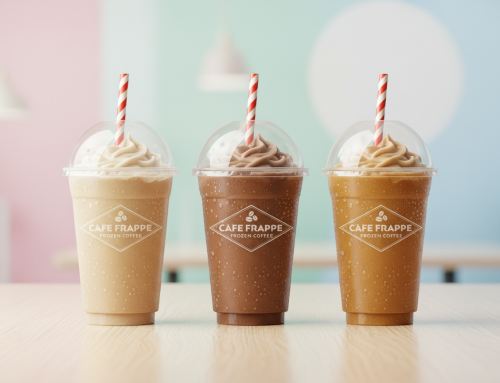
- Café Frappe frozen coffee for premium café-style drinks
- Remote Kare technology and a national team of trained engineers
- Full training, reliable UK distribution and ongoing stock supply
Get in touch with Polar Krush Group today for friendly, expert advice and find the right frozen drinks machine for your business.