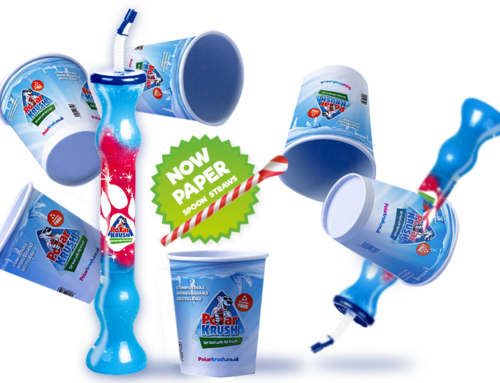
Keeping a frozen drinks machine running at a busy event comes down to three things: having enough machine capacity for peak demand, completing daily checks before doors open, and knowing exactly what to do when a fault appears. Most failures are predictable and preventable with preparation.
The right approach depends on your venue size, footfall and how long your busiest periods last. The questions below cover capacity, maintenance, troubleshooting, support and stock planning.
How many slush machines does a busy venue need?
Most busy venues need at least two machines, and larger sites need more. Machine count should match peak demand, not average demand. A single twin or triple bowl machine can serve steady trade, but a rush after a film, party session or match can overwhelm one unit.
Base your decision on three factors:
- Peak footfall: Estimate how many customers will want a drink within the same 30 to 60 minute window.
- Flavour range: Each bowl holds one flavour, so offering four or five flavours usually requires multiple bowls or machines.
- Recovery time: A frozen drinks machine needs time to rebuild its freeze after heavy dispensing. Two machines let you rotate and give each one breathing room.
A second machine also acts as insurance. If one unit develops a fault, you can keep serving while it is fixed. For multi-zone sites such as holiday parks or large soft play centres, placing machines at separate service points also shortens queues.
What daily checks stop a slush machine failing mid-event?
A short opening routine prevents most mid-event failures. Check the mix level, temperature, consistency, cleanliness and dispensing function before every trading day. Ten minutes of checks can save hours of lost sales when the venue is full.
Work through this list each morning:
- Check syrup and mix levels in every bowl and top up with correctly mixed product.
- Test the Brix level if your supplier recommends it, as an incorrect sugar balance affects freezing.
- Inspect the dispensing taps and seals for leaks, sticking or worn parts.
- Clear the condenser or air vents so the machine can shed heat. Dust and blocked airflow are common causes of poor performance.
- Confirm the drip tray is clean and empty.
- Listen and look for unusual noises, ice build-up or uneven texture across bowls.
Keep a simple checklist beside the machine and have a named team member sign it off each day. Consistency matters more than complexity.
Why does a slush machine stop freezing during peak demand?
A slush machine stops freezing during peak demand mainly because it is being asked to cool more product than its refrigeration system can handle. Heavy dispensing, a poor mix ratio, overheating or low product level all reduce freezing performance when queues are longest.
Common causes include:
- Incorrect mix ratio: Too much water or too little sugar prevents proper freezing, while too much sugar stops the product setting. Measure rather than guess.
- Overloading: Pouring warm, freshly mixed product into a nearly empty bowl during a rush slows recovery.
- Poor ventilation: Machines placed in hot rooms or against walls cannot release heat efficiently.
- Dirty condensers: Blocked coils make the compressor work harder and cool less effectively.
- Low product level: If the bowl runs too low, the machine cannot maintain consistency.
The best prevention is to pre-chill mix where possible, refill little and often, and position machines with clear airflow on all sides.
How should staff handle a machine fault during an event?
Staff should stay calm, stop dispensing, identify the fault type, and follow a written escalation plan. Quick, structured action limits lost sales and protects the machine from further damage. Every team member on shift should know who to call and what they are allowed to fix themselves.
A simple response plan looks like this:
- Pause service on the affected bowl and redirect customers to another flavour or machine.
- Check the basics first: power supply, product level, blocked vents and whether the machine is in the correct mode.
- Record what you see, including any error codes, noises or visible leaks, so an engineer can diagnose faster.
- Contact your supplier or engineer using the number displayed on or near the machine.
- Communicate with customers using a polite sign or verbal explanation, and offer an alternative product if possible.
Avoid opening panels or attempting repairs beyond your training. Incorrect fixes can invalidate support agreements and create safety risks.
Can remote monitoring and engineer support prevent downtime?
Yes. Remote monitoring can flag temperature drift, freezing issues and usage patterns before they become breakdowns, while fast engineer support shortens repair times. Venues with monitored machines can often act on a warning sign before customers notice any drop in quality.
Remote systems typically help in three ways:
- Early alerts: Performance issues are detected while the machine is still serving.
- Remote diagnosis: Many faults can be identified or even adjusted without a site visit, saving valuable time.
- Better engineer visits: When a technician does attend, they arrive knowing the likely problem and with the right parts.
When choosing a supplier, ask about response times, engineer coverage across the UK, and whether monitoring technology is included. For high-volume venues, these factors matter as much as the machine itself.
How can venues prepare stock and supplies for a busy event?
Venues should order more than they expect to sell, store stock correctly, and prepare spare consumables before the event starts. Running out of syrup, cups or straws mid-event costs as much as a machine failure. Plan stock against peak demand, then add a safety buffer.
Use this preparation checklist:
- Forecast demand using previous busy days, bookings, ticket sales or expected attendance.
- Order early so deliveries arrive well before the event, allowing for any supply delays.
- Stock every flavour you plan to offer, plus a spare of your best sellers.
- Prepare consumables: cups, lids, spoon straws, napkins and cleaning supplies.
- Store syrup properly in a cool, dry place away from direct sunlight.
- Pre-mix carefully in measured batches so refills are ready when bowls run low.
If you are adding a frozen coffee option, plan its stock separately, as flavours such as caramel, latte and mocha will follow different demand patterns from fruit slush.
How Polar Krush Group helps with keeping a frozen drinks machine running
Polar Krush Group supports venues that cannot afford downtime. As a UK manufacturer with over 25 years of experience, we supply the machines, syrups and ongoing backup that busy sites rely on.
- Free-on-loan machines with no large upfront equipment cost
- Remote Kare technology to monitor performance and spot issues early
- A national team of trained engineers to keep response times short
- Syrups made in our UK plant, including sugar-free options with no artificial sweeteners
- Café Frappe frozen coffee in Caramel, Latte and Mocha for venues wanting a premium option
Planning a busy season or a new venue launch? Contact Polar Krush Group today to discuss the right machines and support package for your site.
Related Articles
- How do you install a frozen drinks machine in your venue?
- How do you pick between a slush machine and a granita machine?
- How do you know when to upgrade your frozen drinks machine?
- What should you ask a supplier before getting a frozen drinks machine?
- What is a frozen drinks machine and how does it work?