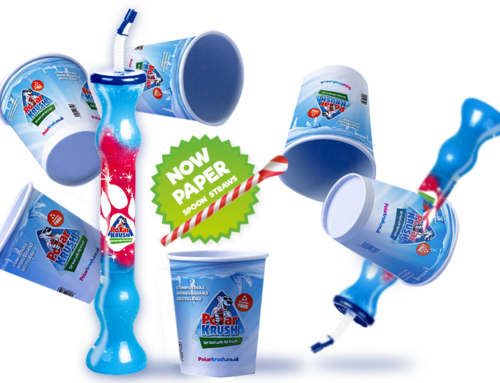
To install a frozen drinks machine, confirm the site has the right power, water and space, choose a safe and visible position, then have a trained engineer install, flush, calibrate and commission the unit. Staff should be trained before opening, and the machine needs regular cleaning and servicing to keep running reliably.
Most installations take a matter of hours, provided the venue is prepared in advance. The sections below cover the checks, positioning, commissioning, training and aftercare that keep a commercial frozen drinks machine earning its place on your counter.
What site requirements should a venue check before installation?
Before installation, a venue should check for a nearby standard electrical socket, a stable and level surface, enough ventilation around the unit, and sufficient floor or counter space. Some machines also need access to a water supply or drain, so confirm the model’s requirements with your supplier first.
A site survey checklist helps avoid delays on installation day. Work through these points:
- Power: a dedicated or easily accessible socket that matches the machine’s rating, ideally without extension leads or overloaded adaptors.
- Space and weight: a counter or floor area that can carry the full weight of a filled unit, with clearance on all sides for airflow.
- Ventilation: refrigeration systems release heat, so avoid tight alcoves or enclosed cabinets that trap warm air.
- Access: doors, corridors and lifts wide enough to move the machine into position.
- Storage: a cool, dry place nearby for syrup, cups and cleaning supplies.
- Cleaning access: a sink within easy reach for washing removable parts.
Photographing the intended spot and measuring it before your supplier visits can save a second trip.
Where is the best place to position a slush machine?
The best position for a slush machine is a visible, high-traffic spot close to the till or service point, away from direct sunlight and heat sources, with enough clearance for ventilation. Placing it where children and families naturally queue encourages impulse purchases without creating a safety or congestion problem.
Position for visibility and sales
Slush machines sell partly through colour and movement. Locate the unit where customers can see the swirling product as they walk in, wait in line or leave. In soft play centres, cinemas and bowling alleys, the area near the entrance, queue or seating zone usually works best.
Position for safety and performance
Keep the machine away from ovens, fryers, radiators and windows that catch strong sun, as heat makes the compressor work harder and can affect product consistency. Make sure cables are tidy and out of walkways, and place the machine so staff can serve safely without leaning or stretching. If children are close by, a position behind a counter keeps taps and controls under staff supervision.
How do engineers set up and commission the machine?
Engineers set up and commission a machine by positioning and levelling the unit, connecting power, sanitising the bowls and parts, mixing and loading the syrup solution at the correct ratio, then running the freezing cycle and testing the output. Once the product reaches the right consistency, they confirm everything works before handover.
A typical commissioning process includes:
- Inspecting the unit for transit damage and placing it in its agreed position.
- Cleaning and sanitising all food-contact parts before first use.
- Preparing the syrup and water mix to the correct sugar or Brix level, so the drink freezes properly.
- Switching on the freezing cycle and monitoring the texture until it reaches the right consistency.
- Test dispensing, checking taps, seals and temperature settings.
- Walking the team through the controls before leaving the site.
Getting the mix ratio right matters more than many operators expect. Too little sugar and the product freezes solid; too much and it never thickens. Many modern machines also include remote monitoring, which lets a support team check performance and spot faults without a site visit.
How should staff be trained to operate it safely?
Staff should be trained on daily operation, correct syrup mixing, cleaning and sanitising routines, safe dispensing and basic fault spotting before the machine goes on sale. Training works best as a hands-on session during commissioning, backed by a simple written guide kept near the machine.
Cover these essentials with every team member who will use the machine:
- Opening and closing routines: switching on, checking levels, and shutting down correctly.
- Mixing and refilling: using the right syrup-to-water ratio every time, never guessing by eye.
- Hygiene: daily cleaning, regular deep cleaning and handwashing before handling parts or cups.
- Safe serving: filling cups properly and following allergen and age guidance for your venue.
- Warning signs: unusual noises, leaks or product that is too runny or too hard, and who to contact.
Refresher sessions for new starters and seasonal staff keep standards consistent, particularly in venues with high turnover.
What ongoing support and maintenance does a machine need?
A frozen drinks machine needs daily cleaning, regular checks of syrup levels and product consistency, periodic deep cleans and scheduled servicing by a qualified engineer. Prompt fault reporting and a reliable supply of syrup, cups and spare parts keep downtime low during busy periods.
Good maintenance habits include:
- Cleaning dispensing nozzles and drip trays at the end of each day.
- Deep cleaning bowls, augers and seals on the schedule recommended by the manufacturer.
- Checking seals and gaskets for wear, as these are common causes of leaks.
- Keeping the area around the machine clear so air can circulate.
- Logging faults and acting early rather than waiting for a breakdown.
For venues that rely on slush sales during school holidays and weekends, access to engineer support and a dependable syrup supply is as important as the machine itself.
How Polar Krush Group helps with frozen drinks machine installation
Polar Krush Group supplies commercial frozen drinks machines and handles the practical side of getting them running in leisure and entertainment venues across the UK. Support includes:
- Free-on-loan machine options, which reduce upfront equipment costs.
- Installation and commissioning by trained engineers.
- Staff training so your team can operate the machine confidently from day one.
- Remote Kare technology and a national engineer network for ongoing support.
- Syrups made at their UK plant, including sugar-free options with no artificial sweeteners.
- Café Frappe frozen coffee machines for venues that want a premium café-style option alongside slush.
If you are planning a new frozen drinks machine for your venue, contact Polar Krush Group to discuss the right machine, supply plan and installation for your site.